
About Rozan
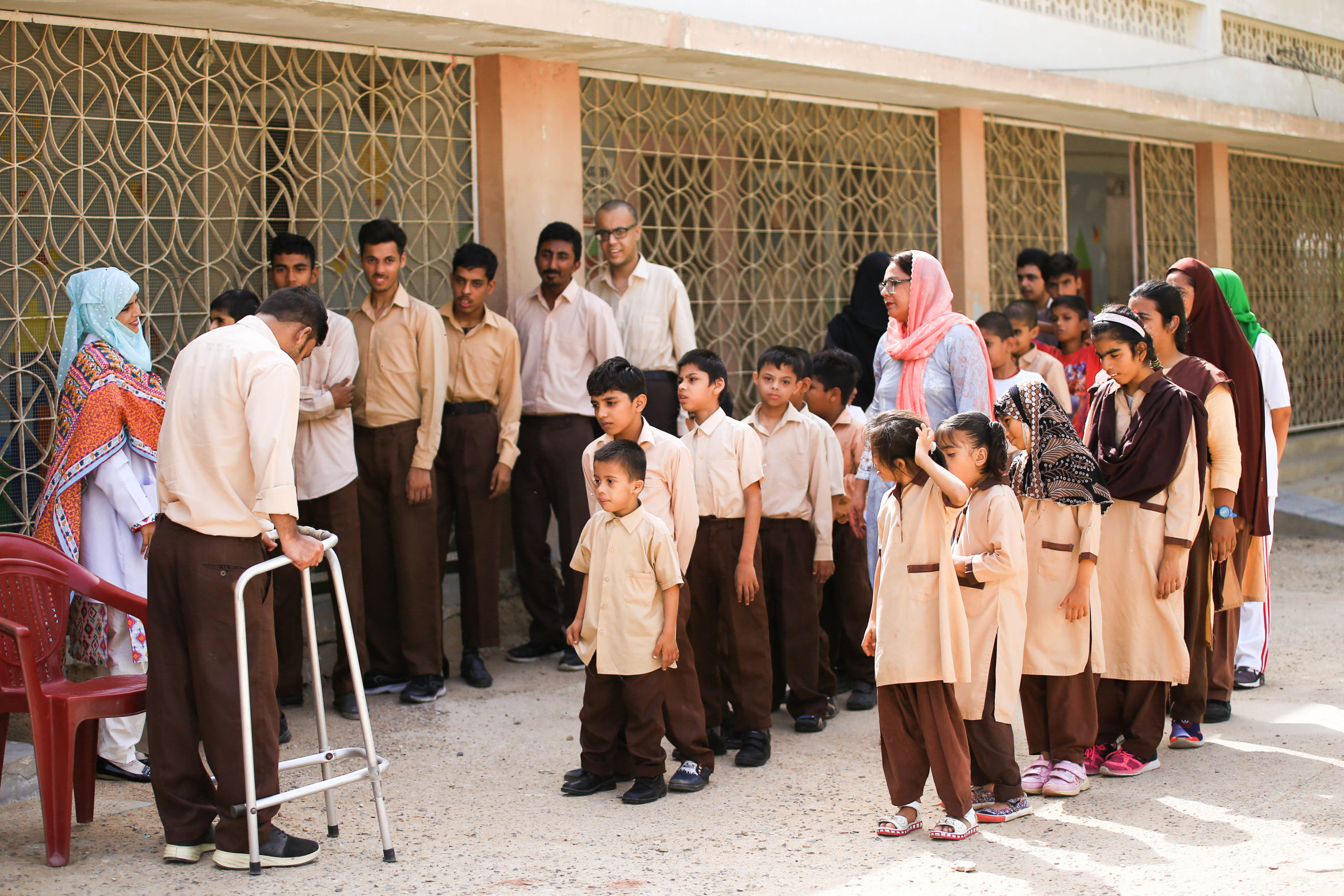
A child with development issues can do well in school but is likely to need individualized help. Fortunately, states are responsible for meeting the educational needs of children with disabilities.
For children up to age three, services are provided through an early intervention system. Staff work with the child‘s family to develop what is known as an individualized family services plan, or IFSP. The IFSP will describe the child’s unique needs. It also describe the services the child will receive to address those needs. The IFSP will emphasize the unique needs of the family, so that parents and other family members will know how to help their young child with development issues . Early intervention services may be provided on a sliding – free basis, meaning that the cost the family will depend upon their income. In some states, early intervention services may be at no cost parents.
For eligible school –aged children (including preschool) Special education and related services are made available though the school system. School staff will work with the child’s parents to develop and individualized education program, or IEP. The IEP is similar to an IFSP. It describes the child’s unique needs and the services that have been designed to meet those needs. Special education and related services are provided at no cost to parents. Many children with development issues need help with adaptive skills, which are skills needed to live, work and play in the community.